Spiti Valley Itinerary With Road Map
Spiti Valley Itinerary 7 Nights 8 Days: Complete Road Trip Guide with Map
Spiti Valley Road Trip Map
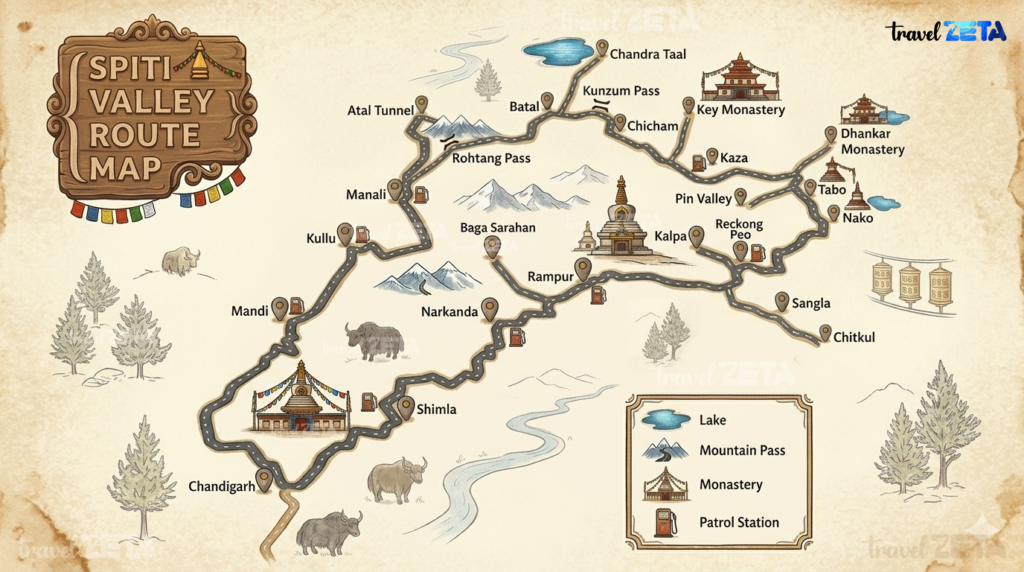
Best Spiti Valley Road Trip Highlights 7N/8D Travel Guide
- Experience one of the most adventurous drives in the world, surrounded by vast landscapes and stunning Himalayan views.
- Enjoy camping, photography, and stargazing at the beautiful Chandratal Lake.
- Visit Tabo village and its famous 1000-year-old monastery, known for its ancient murals and sculptures.
- See the amazing confluence of the Sutlej and Spiti rivers at Khab Bridge.
- Drive along the Kalpa–Roghi road and enjoy views of the majestic Kinnaur Kailash range.
- Catch glimpses of Reo Purgyil, the highest peak in Himachal Pradesh, from Khab and Nako.
- Drive alongside the peaceful Spiti River and soak in the scenic beauty.
Duration: 7 Nights / 8 Days
Tour Cost: Available on request
Spiti Valley Road Trip Itinerary from Chandigarh
Day 1: Chandigarh to Shimla to Sarahan – Scenic Himalayan Drive Begins (210–230 km | 7–8 hrs)
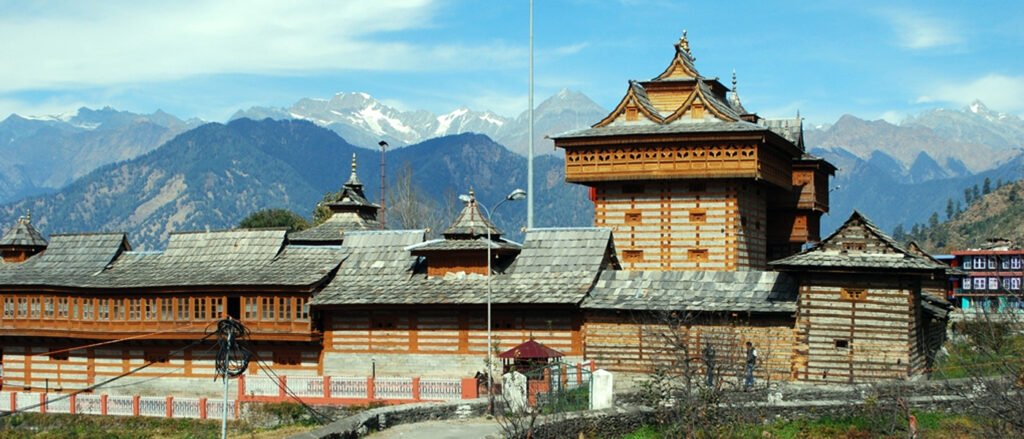
Your journey begins from Chandigarh as you set out on a scenic drive toward the charming hill town of Shimla. As you leave the plains behind, the landscape gradually transforms into winding mountain roads, dense pine forests, and refreshing cool air. Passing through picturesque spots like Narkanda, you’ll start experiencing the true beauty of Himachal Pradesh. The drive is smooth and enjoyable, making it a perfect introduction to your Spiti Valley adventure.
By afternoon or early evening, you’ll reach the peaceful village of Sarahan, nestled in the lap of the Himalayas. This quiet destination is known for its breathtaking views and spiritual charm. Don’t miss visiting the beautiful Bhimakali Temple, an architectural gem surrounded by mountains. Spend your evening soaking in the serene atmosphere, enjoying the fresh mountain air, and preparing for the more adventurous days ahead.
Day 2: Sarahan to Sangla Valley & Chitkul – Scenic Drive to India’s Last Village (90 km | 4–5 hrs)
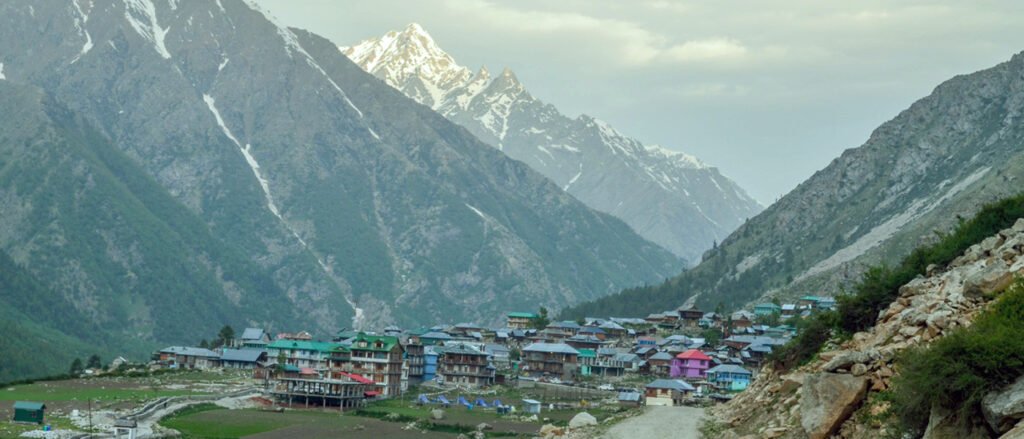
On Day 2, the journey becomes even more picturesque as you drive from Sarahan into the stunning landscapes of Sangla Valley. The road winds along the Baspa River, offering breathtaking views of lush green valleys, wooden houses, and apple orchards that make this stretch one of the most beautiful parts of the trip. The calm surroundings and fresh mountain air create a peaceful and refreshing travel experience.
Continuing further, you’ll reach Chitkul, famously known as the last inhabited village near the Indo-Tibet border. Surrounded by snow-capped peaks and open meadows, Chitkul feels untouched and incredibly serene. Take time to walk along the river, interact with locals, and enjoy simple yet delicious Himachali food. As the day winds down, you can either stay in Chitkul for a more remote experience or return to Sangla for a comfortable overnight stay, soaking in the beauty of the Himalayas.
Day 3: Sangla to Kalpa – Into the Heart of Kinnaur (40 km | 2–3 hrs)
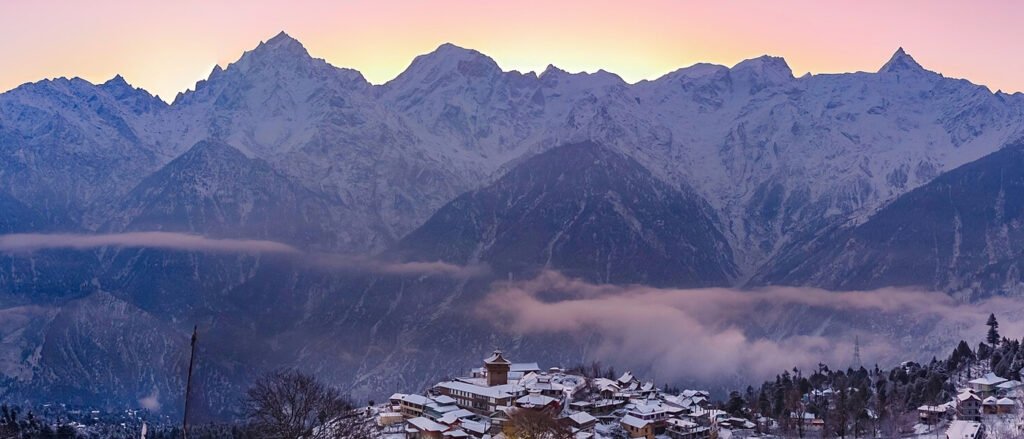
After soaking in the beauty of Sangla Valley, Day 3 brings a short yet incredibly scenic drive to the charming village of Kalpa. The journey may only take a couple of hours, but every turn offers stunning views of deep valleys, pine forests, and traditional Kinnauri villages. It’s a relaxed travel day, giving you plenty of time to pause, click photos, and truly enjoy the peaceful mountain vibe.
As you reach Kalpa, you’re greeted with breathtaking views of the majestic Kinnaur Kailash range standing tall right in front of you. The village itself is quiet and full of old-world charm, with wooden houses, monasteries, and apple orchards all around. Spend your evening exploring the surroundings, visiting local spots like Suicide Point, or simply sitting back and watching the sunset paint the snow-covered peaks in golden hues. It’s one of those moments where the journey feels just as magical as the destination.
Day 4: Kalpa to Kaza via Nako & Tabo – Journey into the Heart of Spiti (200 km | 7–8 hrs)
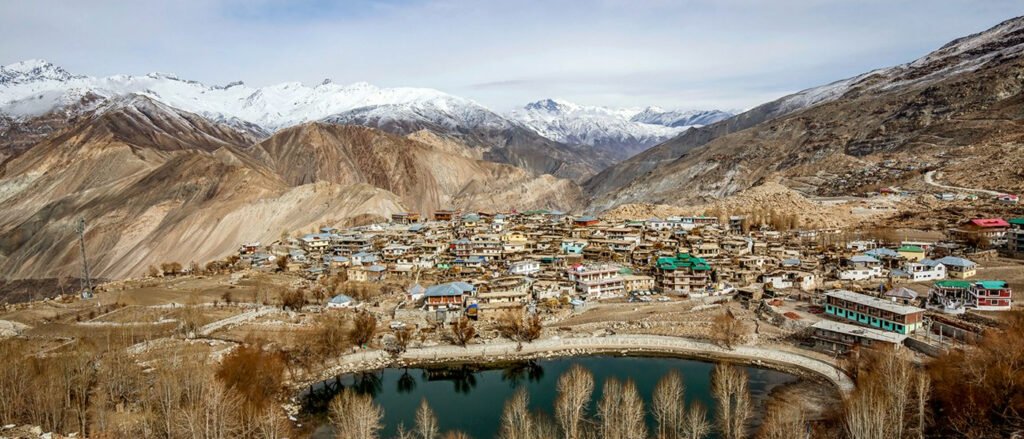
Day 4 is where your journey truly begins to feel adventurous as you move deeper into the cold desert landscape of Spiti Valley. Starting from the peaceful village of Kalpa, the route takes you through dramatic terrain with rugged mountains, narrow roads, and ever-changing scenery. As you leave the greenery of Kinnaur behind, you’ll notice the landscape gradually turning barren yet incredibly beautiful.
Your first major stop is the charming village of Nako, known for its serene lake and traditional Himalayan homes. A short break here is perfect to relax and soak in the quiet surroundings. Continuing ahead, you can take a detour to Gue Village to witness the famous naturally preserved mummy, a unique and fascinating experience.
Further along the route lies the historic Tabo Monastery, often referred to as the “Ajanta of the Himalayas” and over a thousand years old. The spiritual aura and ancient murals here make it a must-visit stop. By evening, you’ll reach Kaza, the heart of Spiti Valley. Surrounded by stark mountains and vast open skies, Kaza welcomes you with a raw, untouched beauty—marking your arrival into one of the most mesmerizing regions in the Himalayas.
Day 5: Kaza Local Sightseeing – Exploring the High - Altitude Wonders of Spiti
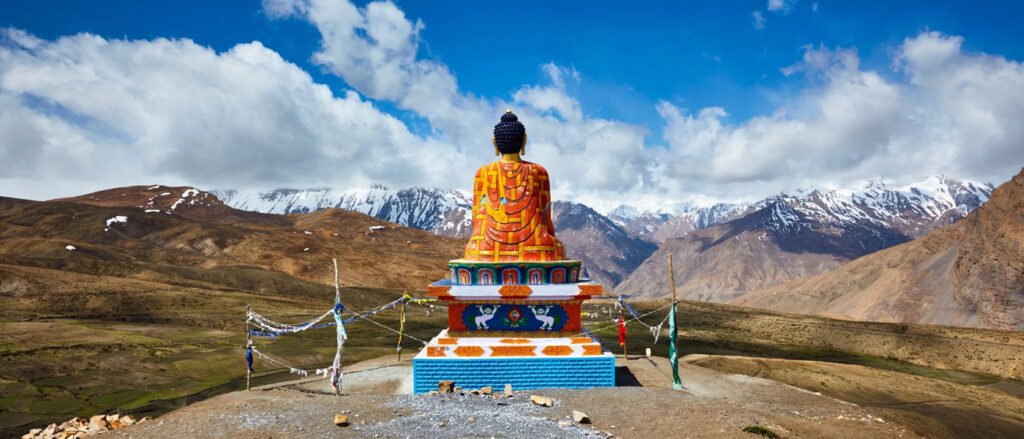
Wake up to the crisp mountain air in Kaza and get ready for a full day of exploring some of the highest inhabited regions in the world. Today is all about discovering the raw beauty, unique culture, and spiritual essence of Spiti Valley. As you drive through rugged landscapes and vast open skies, every stop feels like a new adventure.
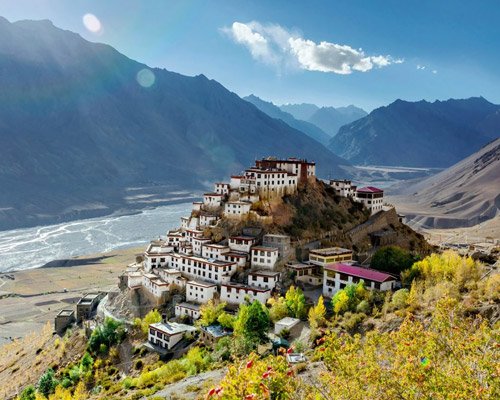
Begin your day with a visit to the iconic Key Monastery, perched dramatically on a hilltop and offering panoramic views of the valley below. The peaceful atmosphere and ancient architecture make it a truly unforgettable experience. From here, continue to Kibber Village, one of the highest motorable villages in the world, known for its scenic beauty and traditional homes.
Next, explore the charming villages of Langza, famous for fossils and its giant Buddha statue, followed by Hikkim, home to one of the world’s highest post offices. Don’t miss Komic, often regarded as one of the highest villages connected by a motorable road. As the day comes to an end, return to Kaza with unforgettable memories of Spiti’s remote beauty, rich culture, and breathtaking landscapes.
Day 6: Kaza to Chandratal via Kunzum Pass – Journey to the Moon Lake (100 km | 5–6 hrs)
The ideal time to visit Spiti Valley is between May and October, when the roads from Shimla and Manali are open and safe for travel. During these months, the weather is relatively pleasant, and you can complete the full circuit without major roadblocks. Winters (November to April) bring heavy snowfall, cutting off access from the Manali side and making travel extremely challenging.
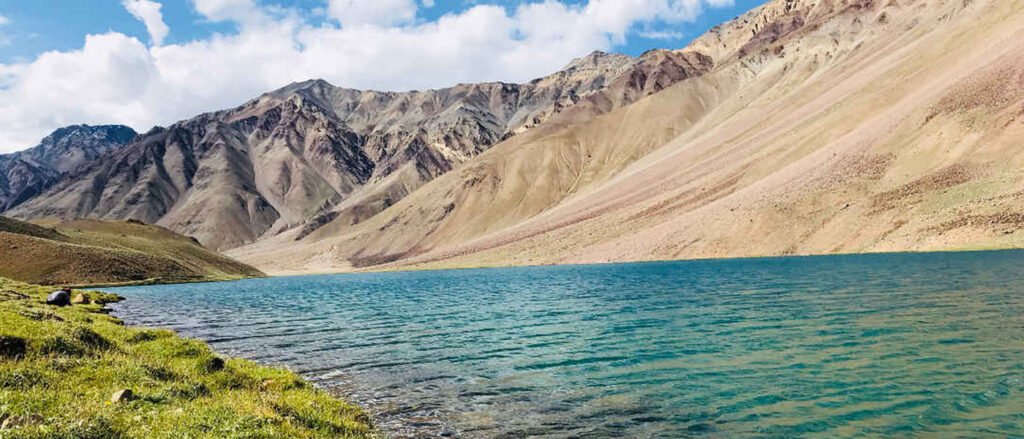
Day 6 is all about adventure as you leave behind the town of Kaza and head towards one of the most breathtaking highlights of the trip. The route takes you through rough mountain roads, river crossings, and dramatic landscapes that truly define the wild beauty of Spiti. As you ascend higher, you’ll reach the majestic Kunzum Pass, a high-altitude mountain pass offering panoramic views of snow-covered peaks and glaciers. Travelers often stop here to seek blessings at the small temple before continuing their journey.
From Kunzum Pass, a short but rugged detour leads you to the magical Chandratal Lake, famously known as the “Moon Lake.” Surrounded by barren mountains and vast open skies, the crystal-clear waters of the lake reflect changing shades of blue throughout the day, creating a surreal experience. Spend your evening walking around the lake, capturing stunning photographs, or simply sitting in silence and soaking in the untouched beauty. As night falls, enjoy camping under a sky full of stars—an unforgettable experience that truly captures the essence of Spiti Valley.
Day 7: Chandratal to Manali – From Remote Wilderness to Lively Hills (120 km | 6–7 hrs)
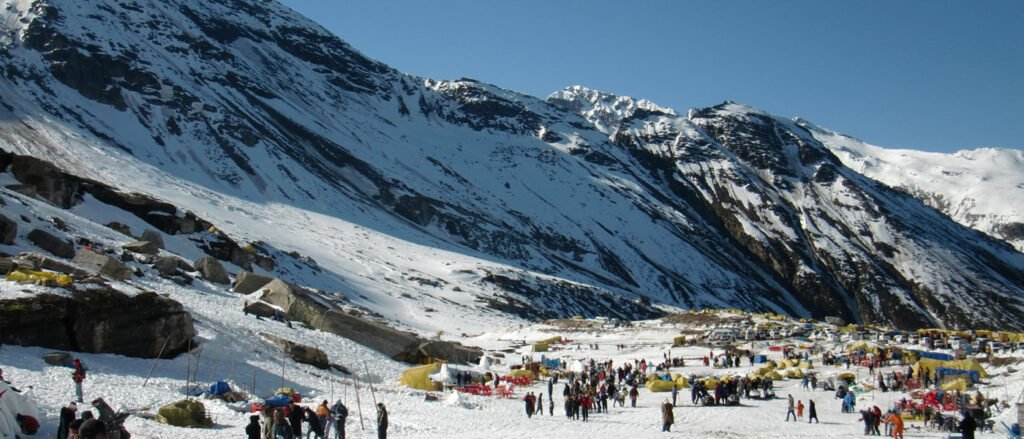
After a magical night under the stars near Chandratal Lake, Day 7 begins with a thrilling drive towards Manali. This stretch is one of the most adventurous parts of the journey, filled with rough terrains, water crossings, and narrow mountain roads. As you descend from the stark, high-altitude landscapes of Spiti, the scenery slowly transforms into greener valleys and more populated regions.
On the way, you’ll cross the famous Rohtang Pass, known for its breathtaking views and dramatic weather conditions. The contrast between the barren beauty of Spiti and the lush surroundings near Manali is truly remarkable. By the time you reach Manali, you’ll feel the shift from peaceful isolation to a lively hill town atmosphere. Spend your evening relaxing at a cozy café, exploring the local markets, or simply unwinding after an adventurous journey through one of the most stunning road trips in India.
Day 8: Manali to Chandigarh – Wrapping Up the Himalayan Journey (300 km | 8–9 hrs)
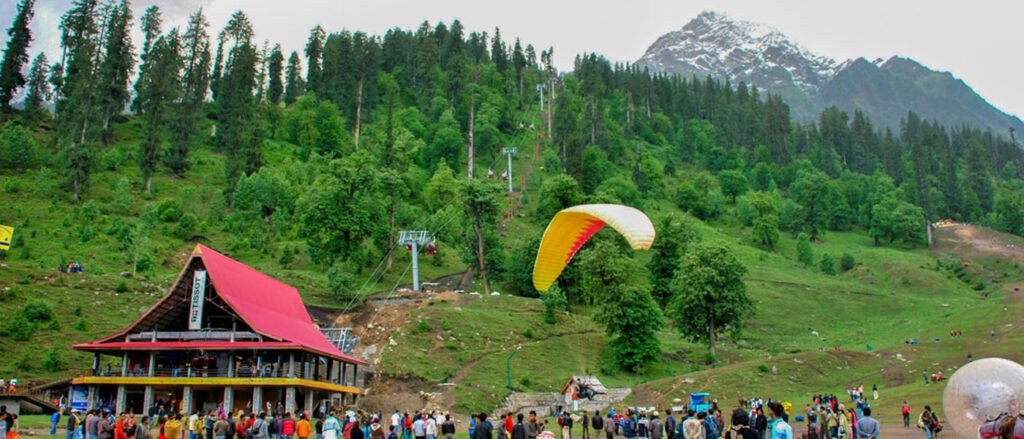
Your final day begins in the beautiful hill town of Manali as you prepare to head back to Chandigarh. After days of exploring the rugged and remote landscapes of Spiti, this drive feels more relaxed and familiar. The route takes you through the scenic valleys of Kullu, where the lush greenery, flowing Beas River, and charming villages offer a refreshing contrast to the stark beauty of Spiti.
As you continue your journey, the mountains slowly give way to plains, marking the end of an unforgettable road trip. Take a few breaks along the way to enjoy local food or simply soak in the last views of the Himalayas. By the time you reach Chandigarh, you’ll carry back not just photographs, but a collection of incredible memories—of high mountain passes, peaceful monasteries, starry nights, and the raw beauty of Spiti Valley.
Chandigarh to Spiti Valley Road Trip – Complete Travel Experience Guide
A road trip from Chandigarh to Spiti Valley is more than just a journey—it’s an unforgettable experience through some of the most dramatic landscapes in the Himalayas. Covering iconic destinations like Shimla, the scenic valleys of Kinnaur, the remote villages around Kaza, and the stunning beauty of Chandratal Lake, this circuit offers the perfect blend of adventure, culture, and natural beauty. From lush green hills to barren high-altitude deserts, every day of the journey brings a completely new landscape and experience.
Whether you’re traveling by car or bike, this route via Shimla and returning through Manali is considered the best way to explore Spiti Valley comfortably. It allows gradual acclimatization while ensuring you don’t miss out on hidden gems, ancient monasteries, and breathtaking mountain passes. By the end of the trip, you’re not just returning home with photos, but with stories of adventure, peaceful moments in remote villages, and a deep connection with the raw, untouched beauty of Spiti.
FAQs – Spiti Valley Road Trip (Complete Guide for Travelers)
What is the best time to visit Spiti Valley?
The ideal time to visit Spiti Valley is between May and October, when the roads from Shimla and Manali are open and safe for travel. During these months, the weather is relatively pleasant, and you can complete the full circuit without major roadblocks. Winters (November to April) bring heavy snowfall, cutting off access from the Manali side and making travel extremely challenging.
How many days are enough for a Spiti Valley road trip?
A well-planned Spiti Valley road trip requires at least 7–8 days to cover the main route. However, if you want to explore more comfortably and visit remote villages around Kaza, a 10–12 day itinerary is highly recommended. A longer trip allows better acclimatization and a more relaxed travel pace.
Which route is best for Spiti Valley – via Shimla or Manali?
The Shimla–Kinnaur route is considered the best way to start your journey. Beginning from Chandigarh and traveling via Shimla helps your body gradually adjust to increasing altitude. The return journey via Manali completes the circuit and adds variety to the experience.
Is Spiti Valley safe for tourists?
Yes, Spiti Valley is generally safe for travelers, including solo travelers and bikers. However, due to its remote location and high altitude, it’s important to stay alert, follow local advice, and check weather conditions regularly. Roads can be narrow and unpredictable, so cautious driving is essential.
Do I need any permits for Spiti Valley?
For Indian citizens, permits are usually not required for most areas in Spiti Valley. However, foreign travelers may need an Inner Line Permit to visit certain villages near the Indo-Tibet border. It’s always a good idea to check the latest guidelines before your trip.
Can I travel to Spiti Valley by car or bike?
Absolutely! Spiti Valley is a dream destination for road trip lovers. You can travel by car or bike, but it’s advisable to use vehicles with high ground clearance, especially on rough patches near Kunzum Pass. Bike trips are popular, but they require experience in handling difficult terrain.
Are petrol pumps and ATMs easily available?
What are the must-visit places in Spiti Valley?
Spiti Valley is full of breathtaking destinations. Some must-visit places include:
- Key Monastery – a stunning hilltop monastery
- Hikkim – home to one of the world’s highest post offices
- Komic – one of the highest motorable villages
- Chandratal Lake – the mesmerizing Moon Lake
- Chitkul – the last inhabited village near the Indo-Tibet border
Is mobile network available in Spiti Valley?
What should I pack for a Spiti Valley road trip?
Packing wisely is crucial for a comfortable trip. Essentials include:
- Warm clothes (even during summer)
- Personal medicines and a first-aid kit
- Power banks and chargers
- Snacks and drinking water
- Valid ID and important documents
How to avoid altitude sickness in Spiti Valley?
Altitude sickness is common in high-altitude regions like Spiti. To prevent it:
- Travel via Shimla for gradual ascent
- Stay hydrated and avoid alcohol
- Take proper rest and avoid overexertion
- Spend a night in mid-altitude locations before reaching Kaza
Is accommodation easily available in Spiti Valley?
Customize Your Spiti Tour
This itinerary is fully customizable according to your travel preferences and interests. You can add extra days for sightseeing, adventure activities, village exploration, camping, photography, or cultural experiences across the beautiful Spiti Valley. Whether you wish to explore monasteries, enjoy high-altitude landscapes, experience local Himachali culture, or simply relax amidst the mountains, we can tailor the perfect Spiti Valley getaway for you. Let us know your travel plans, and we’ll create a personalized Spiti itinerary to match your comfort, budget, and adventure level.
Cancellation Policy – Chandigarh to Spiti Valley (Travelzeta)
Our Cancellation Policy for the Chandigarh to Spiti Valley tour by Travelzeta is designed to ensure clarity, fairness, and a hassle-free experience for every traveler. We understand that travel plans can change due to unforeseen situations, which is why we offer a structured and transparent cancellation process based on timelines prior to departure. Cancellation requests made well in advance are eligible for partial refunds after minimal deductions, while last-minute cancellations may incur higher charges due to pre-booked hotels, transport, and local arrangements across remote regions of Spiti Valley. All cancellations must be communicated through official channels, and eligible refunds are processed within a defined timeframe after applicable deductions such as taxes and service charges. In cases of unavoidable circumstances like weather disruptions, landslides, or government restrictions, we strive to provide alternative travel dates or suitable solutions. By booking with Travelzeta, you agree to these terms, ensuring a smooth, reliable, and transparent booking experience for your Spiti Valley adventure.